
Slot outcomes often feel random and uncontrollable, which leads many players to believe that results depend purely on luck. While short-term outcomes are unpredictable, long-term slot performance follows clear mathematical rules. Two of the most important factors are RTP and volatility.
This article explains what RTP and volatility actually mean, how they interact, and how they shape your long-term results. The goal is to help you choose slots that match your bankroll, risk tolerance, and expectations, rather than relying on myths or marketing language.
What RTP Really Means in Practice
Return to Player (RTP) is the percentage of total wagered money a slot is designed to pay back to players over time. An RTP of 96% means the game returns €96 for every €100 wagered, on average, over millions of spins.
RTP does not guarantee short-term returns. You can lose quickly on a high-RTP slot or win big on a low-RTP one. RTP only becomes meaningful across very large sample sizes.
The key takeaway is that RTP defines cost, not timing. It tells you how expensive a game is to play, not how often you will win.
Common RTP Misunderstandings
Many players assume higher RTP means more frequent wins. This is not always true. RTP says nothing about how payouts are distributed.
Two slots with the same RTP can feel completely different to play. One may pay small wins constantly, while another pays rarely but in large bursts.
Understanding Slot Volatility
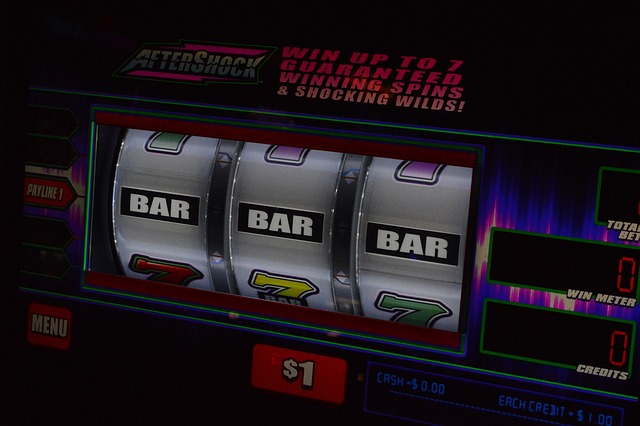
Volatility describes how a slot distributes its payouts. Low-volatility slots pay smaller amounts more often. High-volatility slots pay larger amounts less frequently.
Volatility determines emotional experience and bankroll swings. It affects how long your bankroll lasts and how extreme your results feel.
This is why volatility matters more than RTP for session planning. It controls variance, not cost.
Volatility in Plain Terms
Low volatility means smoother play and fewer sharp drops in balance. High volatility means long losing streaks punctuated by occasional large wins.
Neither is better universally. The right choice depends on bankroll size, bet level, and tolerance for losing streaks.
How RTP and Volatility Work Together
RTP and volatility are independent but interacting variables. RTP determines long-term return. Volatility determines how results are distributed along the way.
A high-RTP, high-volatility slot can still drain your bankroll quickly if you are unlucky. A lower-RTP, low-volatility slot may keep you playing longer with fewer emotional swings.
Understanding both together helps avoid mismatched expectations.
RTP vs Volatility Comparison
| Slot Type | RTP | Volatility | Player Experience |
|---|---|---|---|
| Classic slots | Medium | Low | Frequent small wins |
| Video slots | Medium–High | Medium | Balanced sessions |
| Megaways | High | High | Large swings |
| Jackpot slots | Variable | Very High | Long dry spells |
| Low-stakes slots | Medium | Low | Bankroll stability |
This table highlights why RTP alone is insufficient for slot selection.
Long-Term Results vs Short-Term Sessions
Short sessions are dominated by variance. RTP is almost irrelevant in 100 or even 1,000 spins. Volatility dominates experience during this period.
Long-term results emerge only over tens or hundreds of thousands of spins. Very few players ever reach this range, which is why perception often contradicts math.
This gap between theory and experience explains many slot myths. Players remember extreme outcomes, not averages.
What Long-Term Really Means
“Long-term” does not mean a week or a month. It means sustained play over very large sample sizes.
If you play casually, your results will be shaped more by volatility than RTP. If you play frequently and consistently, RTP becomes increasingly important.
Practical Rules for Choosing Slots

Slot selection should match your goals, not promises of winning. RTP and volatility are tools, not guarantees.
Use RTP to minimize cost and volatility to manage emotional and bankroll impact.
Simple Slot Selection Checklist
- Choose RTP above 95% when possible
- Match volatility to bankroll size
- Avoid high volatility with small balances
- Expect losing streaks on all slots
- Ignore short-term “hot” or “cold” narratives
These rules help align expectations with reality.
Why RTP and Volatility Do Not Predict Wins
Neither RTP nor volatility predicts when you will win. They describe structure, not outcomes.
Slots remain negative-expectation games regardless of configuration. The difference lies in how you lose and how longyou can play before losing.
Understanding this prevents frustration and reduces impulsive behavior.
A Realistic View of Slot Performance
RTP defines the cost of entertainment. Volatility defines the ride. Together, they explain why two players can have completely different experiences on the same game.
When you understand both, slot play becomes more predictable emotionally, even if outcomes remain uncertain. That clarity is the real advantage.